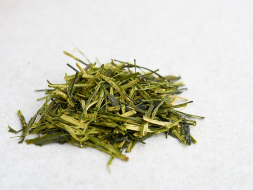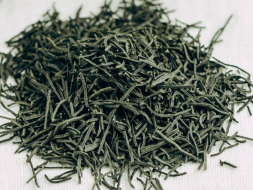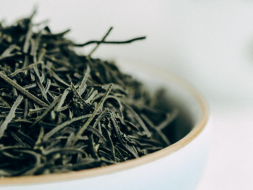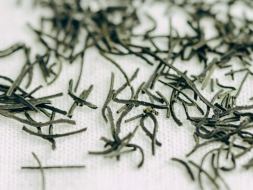
Japanese tea
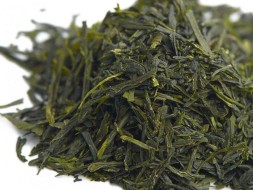
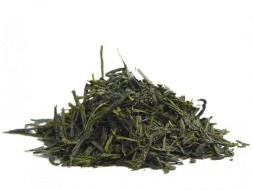
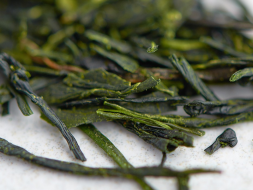
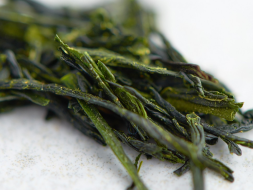
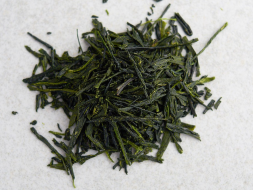
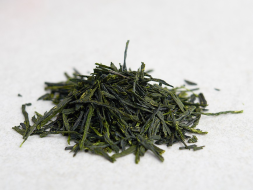
The main difference between Japanese and Chinese tea is the processing of tea leaves. In China, fermentation is fixed, and production is completed by roasting or heating tea leaves at high temperatures, while in Japan, raw materials are steamed. This processing method gives the tea a rich, grassy, bitter taste. This tea is not suitable for long-term storage, but retains its delicate taste and aroma throughout the entire shelf life.
How to brew:
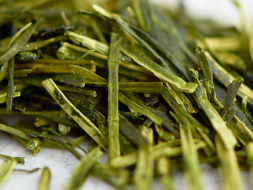
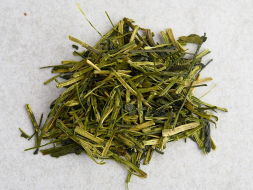
For brewing sencha, kabusecha, gyokuro, water at a temperature of 65-80°C is required. Brewing time is 1-2 minutes.
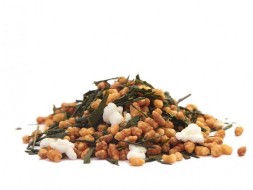
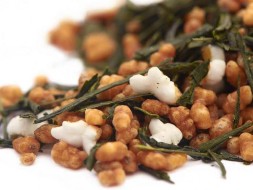
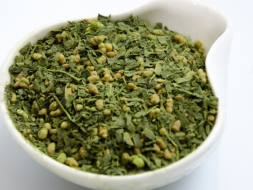
Hojicha, bancha, genmaicha are brewed with water at a temperature of 90-95°C, brewing time is about 30 seconds.
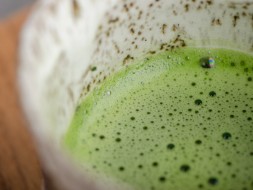
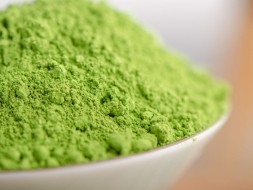
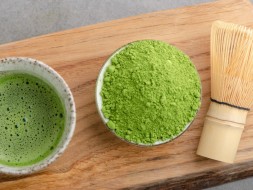
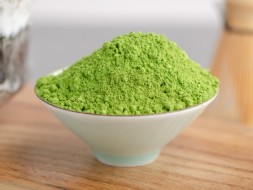
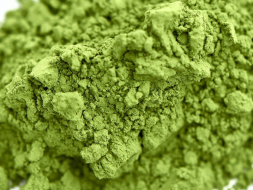
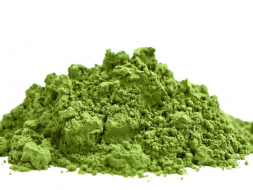
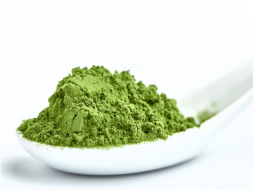
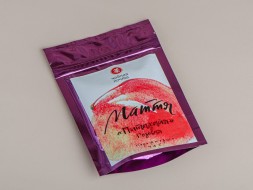
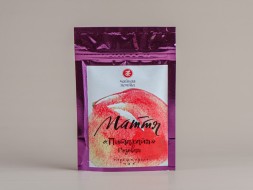
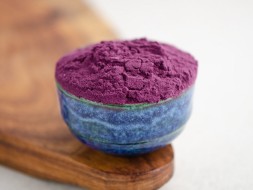
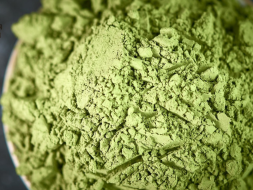
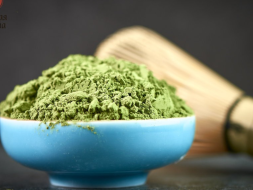
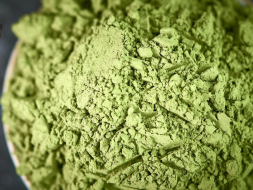
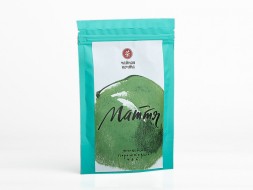
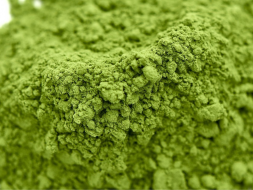
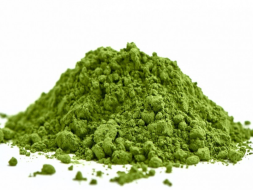
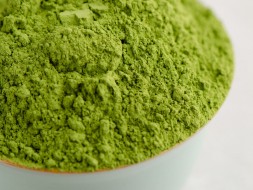
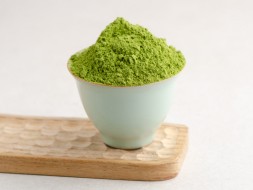
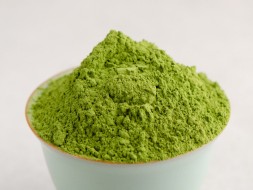
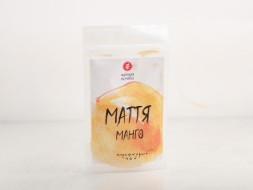
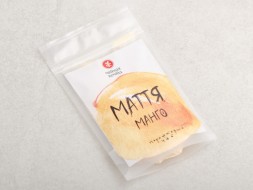
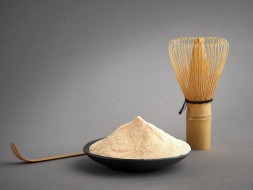
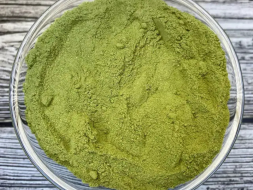
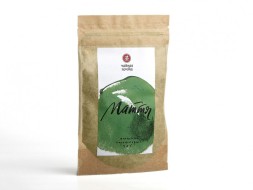
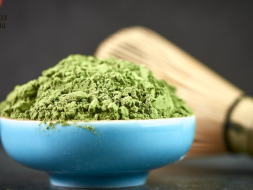
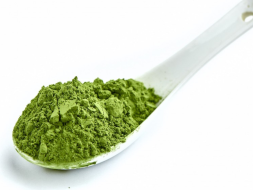
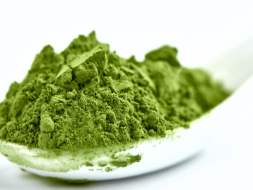
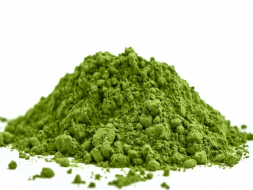
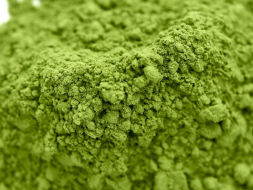
Matcha is whipped in hot water (65-75°C) until foam forms, drunk together with the sediment.